



Lanvin: Brand History and How to Identify Iconic Pieces
Lanvin: Brand History and How to Identify Iconic Pieces
When it comes to luxury fashion, Lanvin is a name that resonates with elegance and tradition. Founded in 1889 by Jeanne Lanvin, this iconic French fashion house is one of the oldest still in operation, symbolizing a sophisticated, timeless style that continuously evolves. Known for its refined lines and distinctive touch, Lanvin has transcended eras and trends while remaining true to its identity.
But what truly makes a Lanvin piece iconic? And how can you spot an authentic item in a market increasingly flooded with imitations? In this complete guide, we will explore the brand’s history, its most famous pieces, and essential tips to recognize the authenticity of Lanvin products.
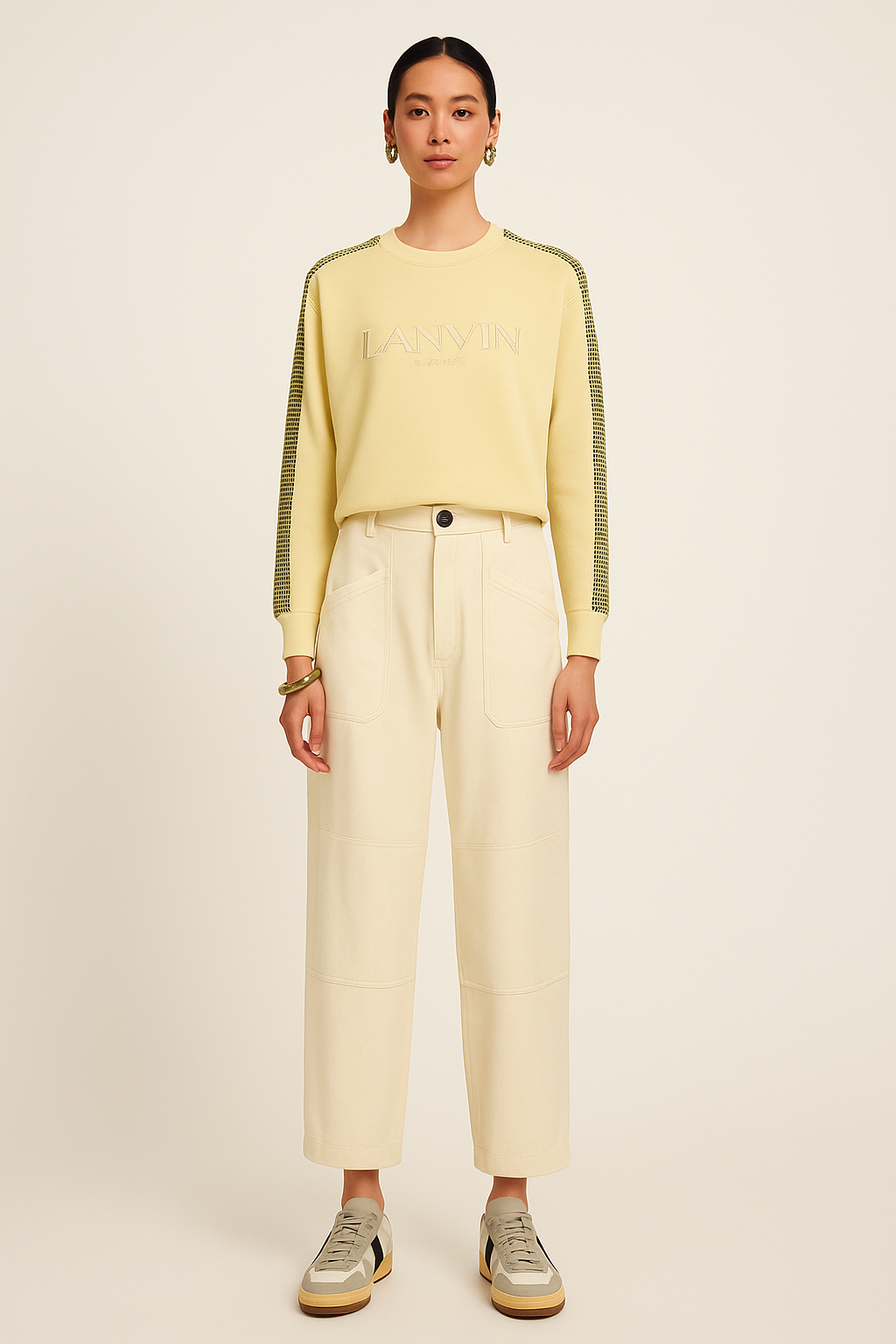
How to Recognize an Original Lanvin Product
Buying a Lanvin piece means investing in quality and style. However, in the luxury fashion market, the risk of counterfeits is always present. Here’s how to identify a genuine Lanvin product:
Check the Label: The Lanvin label is always precisely stitched and features the official logo with an elegant, clean font. Avoid items with sloppy stitching or blurred writing.
High-Quality Materials: Lanvin uses only the finest fabrics. If a piece feels stiff, shiny, or uncomfortable to the touch, it’s likely not authentic.
Tailoring Details: Seams should be flawless and symmetrical. Buttons, if present, are often custom-made and feature the brand’s logo.
Certificate of Authenticity: Newer Lanvin products are often sold with a certificate of authenticity. Always check for this document.
Price and Seller: If the price seems too good to be true compared to market averages, the item is likely a fake. Always buy from official or trusted retailers.
The History of Lanvin: Timeless Elegance
The story of Lanvin begins with Jeanne Lanvin, a young Parisian seamstress with a natural talent for fashion. What started as a small hat shop on Rue du Faubourg Saint-Honoré quickly became one of the most influential fashion houses in early 20th-century Paris. The turning point came when Jeanne began creating bespoke dresses for her daughter Marguerite. Her delicate, exquisite designs caught the attention of the Parisian elite, leading to the launch of a new line of women’s clothing.
Lanvin’s style was immediately distinguished by its refined details, use of luxurious fabrics, and soft, elegant color palettes. The famous “Lanvin Blue,” inspired by Renaissance painting tones, became one of the brand’s most recognizable features. Jeanne Lanvin was also among the first designers to introduce the idea of matching mother-daughter collections—an innovative concept that redefined women’s fashion.
Over the years, Lanvin has evolved while preserving its essence. From haute couture to prêt-à-porter, and luxurious accessories, the brand has always been a reference point for those seeking elegance and authenticity.

Why Choose Lanvin?
Choosing Lanvin means embracing a timeless style, crafted with refined details, premium materials, and designs that don’t follow trends—they set them. It’s an investment in beauty and authenticity, a way to stand out with discreet elegance.
Purchasing a Lanvin piece is not just a style choice, but a declaration of values: a love for craftsmanship, respect for tradition, and the desire to express your personality through clothing that tells a story.